Seminars highlight the role of gametherapy and virtual reality in rehabilitation and how medicinal cannabis acts in advancing treatments and expanding patient autonomy
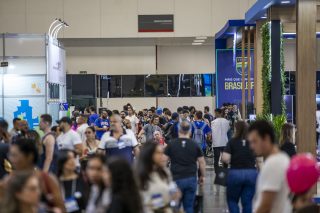
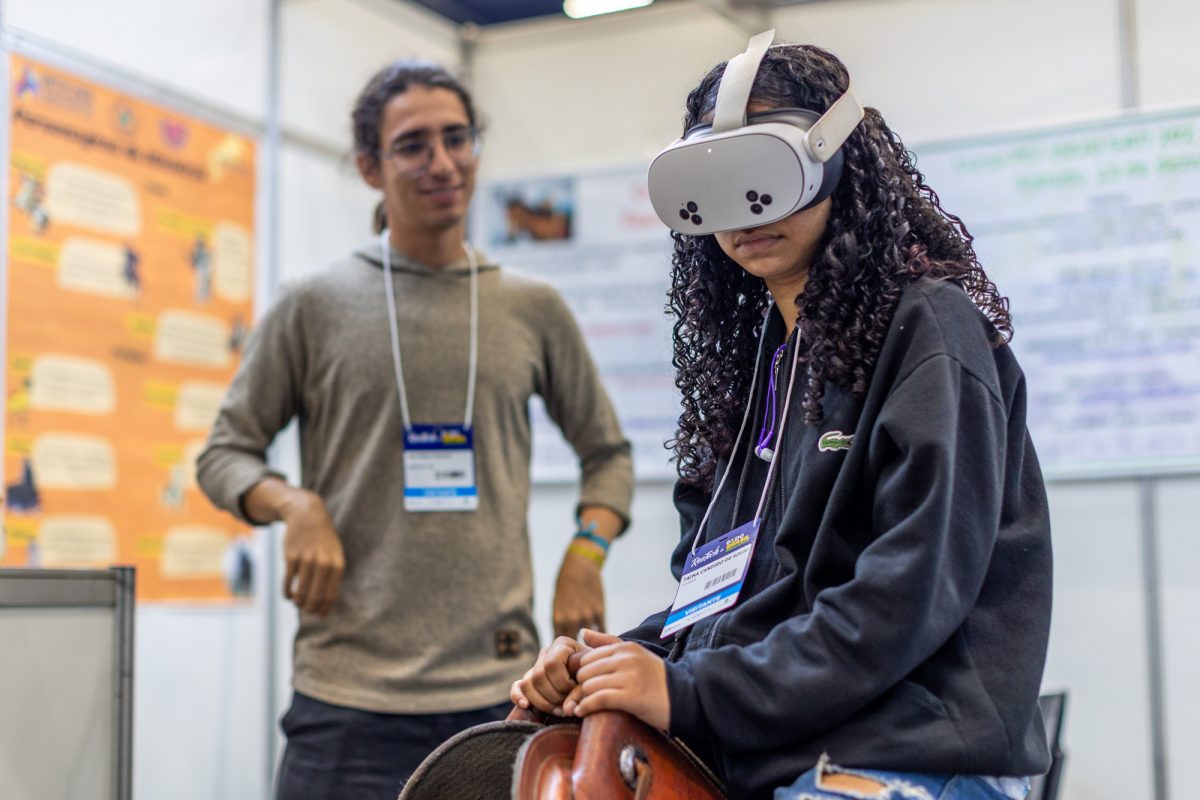
The rehabilitation of the future will not only be technological — it will be human, sensitive, and inclusive. This was the main message of TECFISIO-TO, the Seminar on Advanced Technologies in Physiotherapy and Occupational Therapy, held during the 20th Reatech and a 2nd Brazilian Paralympic Expo, organized by Fiera Milano Brasil and the Brazilian Paralympic Committee, no São Paulo Expo. The meeting brought together physical therapists, occupational therapists, and health and technology professionals to discuss how gametherapy, virtual reality, and assistive technologies are transforming patient care, autonomy, and engagement in rehabilitation processes.
During two days of intense programming, the TECFISIO/TO promoted an immersion focused on evidence-based and human-centric rehabilitation. The meeting highlighted how the use of interactive platforms, motion sensors, immersive environments, and digital therapies can increase engagement and accelerate clinical outcomes — without losing sight of the essential element: professional empathy.
The first day was dedicated to new technologies applied to physical therapy and occupational therapy, with presentations on virtual reality, artificial intelligence, and the use of digital games (gametherapy) as tools for motivation and progress measurement. “Gametherapy and virtual reality can add a lot within these environments, as they innovate and engage the patient. The feedback the patient receives from the game—whether they are doing well or not—is fundamental, as is the way this information is conveyed. I have already used this tool in complex cases, and we were able to innovate and expand access to rehabilitation. The main benefit lies in working on the transition from the virtual world to the real one. Often, a person would not be able to play bowling, for example, due to the weight of the ball; in the virtual environment, they are able to perform the movement. The patient who has difficulty raising their shoulder, upon performing the gesture in the game, transfers this achievement to everyday activities,” explained Alberto Luiz Aramaki, occupational therapist specialized in Neurology Applied to Occupational Therapy and Hand Therapy by USP.
The event also addresses complementary practices, healthy aging, and quality of life, showing that the future of rehabilitation lies in integrating science and sensitivity. One of the highlights was the lecture “To Live Longer and Better: Choices that Transform”, conducted by the physical therapist Dr. Cíntia Yuri Nakao, a specialist in gerontology and pelvic physical therapy. She highlighted the importance of small daily choices for active and healthy aging, sharing practical tips on movement, diet, and emotional well-being.
“Rehabilitation is more than recovering movements—it is recovering autonomy, self-esteem, and a sense of belonging. New technologies can enhance results, but it is the professional's sensitivity that gives meaning to this process,” stated the specialist, a multi-professional resident and postgraduate in Gerontology from Albert Einstein Hospital.
In addition to promoting dialogue between science and clinical practice, the Reatech 2025 also featured innovative solutions in inclusive fitness equipment. A Total Health, a national reference in the sector, presented its line Total Access, which allows for the practice of exercises by people with and without disabilities. Featuring a universal design and assistive technology, the equipment is intended for both rehabilitation and functional training.
“Our purpose is to democratize access to movement. We believe that technology should serve inclusion, allowing anyone, with or without a disability, to train and take care of their health with autonomy and safety. When we combine accessibility, science, and innovation, we pave the way for a new generation of truly inclusive gyms and rehabilitation centers.” highlighted Diego Mazaia, business specialist of the company.
On November 8, Flower of Life, a pioneer association in the therapeutic and medicinal use of cannabis, presented Cannabis in Focus: Medicinal Cannabis Seminar. With the participation of doctors, psychologists, lawyers, and industry professionals to offer humanized practices, scientific backing, and real solutions for health and social inclusion, showing how the plant can contribute to the physical and emotional rehabilitation process. “What we observe most in the medicinal use of cannabis is the overall improvement of the patient, both physically and emotionally. The plant acts on the endocannabinoid system, which is responsible for homeostasis, that is, the regulation of various functions of the human body. Thus, in combination with other therapies, the results become even more expressive and personalized every day,” explained Enor Machado, president of the institution.
About Fiera Milano Brasil
Fiera Milano Brasil is the Brazilian subsidiary of Fiera Milano, one of the largest international groups in the organization of trade fairs and congresses, headquartered in Italy with a global presence, responsible for bringing together approximately 30,000 exhibitors and more than five million visitors annually at its events. With international expertise and deep knowledge of the local market, Fiera Milano Brasil offers strategic platforms for business generation, qualified networking, and trend launching, connecting brands, professionals, and solutions in innovative and highly professional environments. It holds a total of ten trade fairs covering various sectors of the economy, such as security, clean and renewable energy, tubes and fittings, cables, occupational health, rehabilitation technologies, inclusion and accessibility, among others. Among the main brands in its portfolio are Exposec, Fisp, Fire Show, Ecoenergy Congress, Fruit Attraction São Paulo — in partnership with IFEMA Madrid —, Reatech + Expo Brasil Paralímpico, in partnership with the Brazilian Paralympic Committee, Tubotech, Wire Brasil, TranspoQuip and Expoparking, in partnership with BMComm, and E-squadria Show — the latter held in partnership with NürnbergMesse Brasil.
About the Brazilian Paralympic Committee (CPB)
Founded in 1995, the Brazilian Paralympic Committee (CPB) is the governing body for adaptive sports in Brazil. It represents and leads the Paralympic Movement in the country and seeks to promote and develop sport from initiation to high performance for people with disabilities. The CPB is responsible for the country's participation in continental and world competitions and the Paralympic Games, in addition to promoting the development of various adaptive sports in Brazil, in coordination with their respective national organizations.
More information: www.cpb.org.br
Press office: Press style